
Introduction
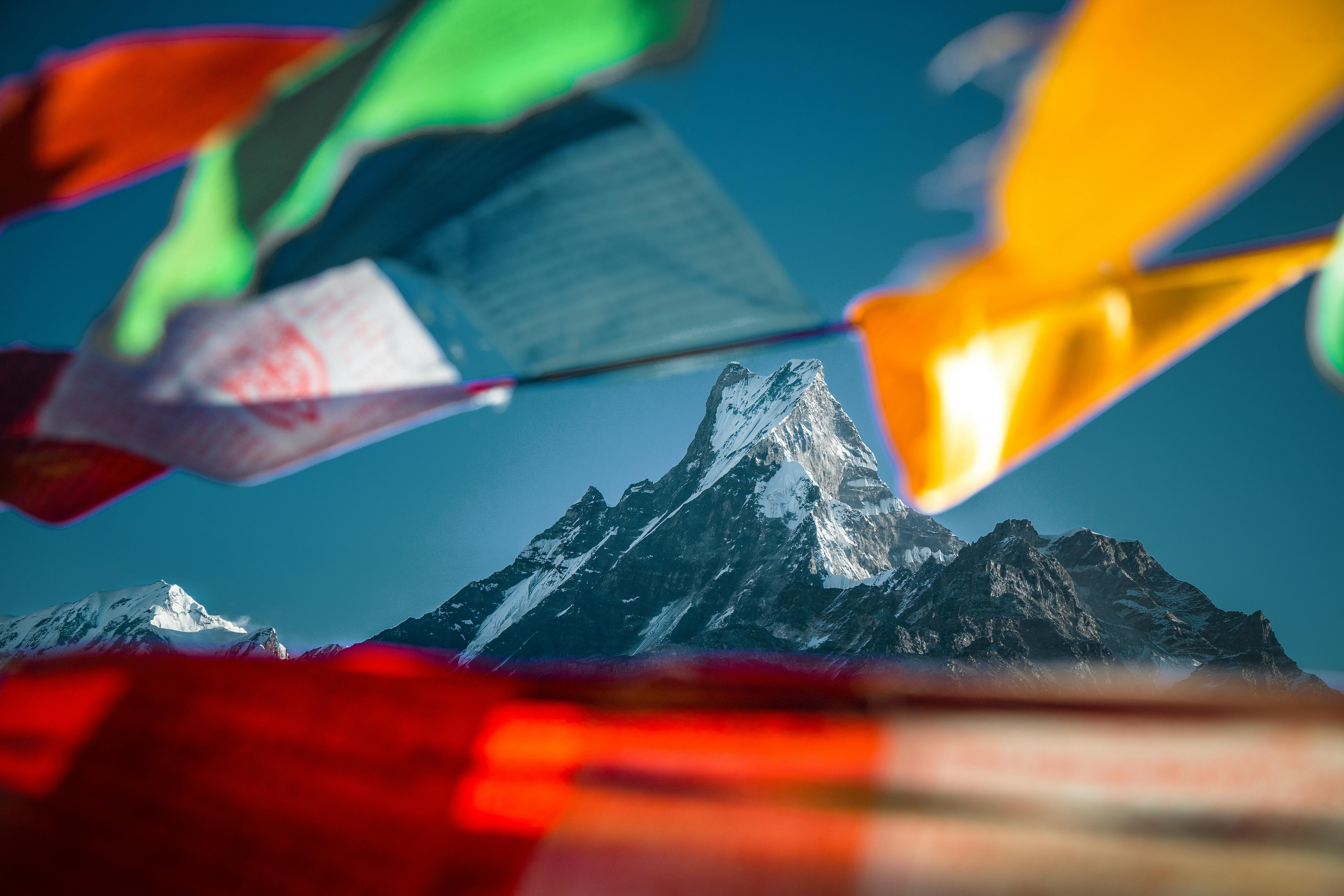
Nepal is a dream destination for adventurers, with its towering peaks, stunning landscapes, and vibrant culture. For Australians who have never trekked before, the idea of trekking in Nepal can feel overwhelming. But fear not! With the right planning, preparation, and guidance, trekking in Nepal can be an unforgettable experience. This guide will help you navigate everything from choosing a trek to packing essentials, so your journey in the Himalayas is safe, enjoyable, and truly memorable.
1. Choosing the Right Trek for Beginners
Nepal offers treks for every level, from novice walkers to experienced mountaineers. Here are the best options for beginners:
- Everest Base Camp Trek: Iconic and challenging but manageable for beginners who allow enough time. Offers spectacular views of Mount Everest and Himalayan villages.
- Ghorepani Poon Hill Trek: Shorter and less strenuous. Famous for sunrise views over the Annapurna range.
- Langtang Valley Trek: Beautiful scenery with cultural immersion. Great for first-time trekkers who want moderate difficulty.
- Annapurna Base Camp Trek: Combines natural beauty with local village culture, ideal for beginners seeking adventure and culture.
Tip: Start with a trek that matches your fitness level and allows gradual acclimatization.
2. When to Trek in Nepal
Timing is crucial for a successful trekking experience. The best seasons for beginners are:
- Spring (March–May): Clear skies, blooming rhododendrons, and moderate temperatures.
- Autumn (September–November): Crisp weather, stable skies, and perfect visibility of the Himalayas.
Avoid the monsoon season (June–August) due to heavy rainfall, slippery trails, and landslide risks.
3. Essential Trekking Permits
All trekkers in Nepal need permits. Beginners should know:
- TIMS Card (Trekkers’ Information Management System): Required for all trekkers.
- National Park Permits: Annapurna Conservation Area Permit (ACAP) or Sagarmatha National Park Permit (for Everest region).
Tip: Always carry photocopies and keep them with your passport during the trek.
4. Preparing for Your Trek
Proper preparation is key to enjoying your trek:
- Fitness: Walking, jogging, or stair climbing for at least 6–8 weeks before your trip.
- Gear Essentials:
- Good trekking shoes or boots
- Waterproof jacket and pants
- Warm layers and thermal wear
- Backpack with rain cover
- Sleeping bag (if staying in teahouses)
- Health: Stay hydrated, eat well, and acclimatize properly to prevent altitude sickness.
5. Trekking Etiquette in Nepal
Respect local culture and environment:
- Always ask before photographing people.
- Support local businesses (buy meals, souvenirs from villages).
- Avoid littering; use designated waste disposal or carry your trash.
- Be polite to guides and porters; tips are appreciated.
6. Staying Safe During Your Trek
Safety is vital for beginners:
- Always trek with a guide if unsure about routes.
- Know basic first aid and carry a small medical kit.
- Take altitude sickness seriously: ascend gradually, rest, and hydrate.
- Use trekking poles to reduce strain on knees and joints.
7. Experience Local Culture on Your Trek
Trekking in Nepal isn’t just about mountains — it’s about people and culture:
- Stay in teahouses to interact with locals and enjoy home-cooked Nepali meals.
- Learn about the Gurung, Sherpa, and Tamang communities along the trails.
- Visit monasteries, temples, and local schools to understand the cultural richness of the Himalayas.
8. Planning Your Trek for Maximum Enjoyment
- Duration: Start with 7–12 days for first-time trekkers.
- Travel Insurance: Ensure it covers trekking up to 5,500–6,000 meters.
- Guides and Porters: Hiring a guide can enhance your experience, provide safety, and support local employment.
9. Top Tips for Australian Trekkers
- Carry an Australian power adapter for charging devices.
- Inform your embassy of your trekking plans for added safety.
- Learn a few Nepali phrases to communicate with locals.
- Take a camera or smartphone to capture stunning Himalayan landscapes.
Conclusion
Trekking in Nepal can be life-changing, offering not only incredible mountain vistas but also deep cultural experiences and personal growth. For Australian beginners, careful planning, respect for local culture, and proper preparation will ensure a safe, enjoyable, and unforgettable Himalayan adventure.
Whether it’s the thrill of reaching Everest Base Camp, the serenity of Poon Hill sunrises, or connecting with local communities in Annapurna, Nepal promises an adventure that stays with you forever.